Rose Font E: A Designer’s Review for Branded Merch
As an embroidery designer who has spent years digitizing logos and testing files for small business clients, I approach every new machine embroidery design with a critical eye. It is not enough for a design to simply look pretty on a screen; it must perform under the needle, withstand washing, and elevate the brand it represents. Recently, I evaluated Rose Font E, a typeface-based design that promises to add a decorative touch to clothes, home decor, and gifts. While categorized under Back To School, my assessment focuses on its viability for commercial use in boutiques, cafés, and handmade brands looking to upgrade their small business merch.
First Impressions: Visual Personality and Brand Fit
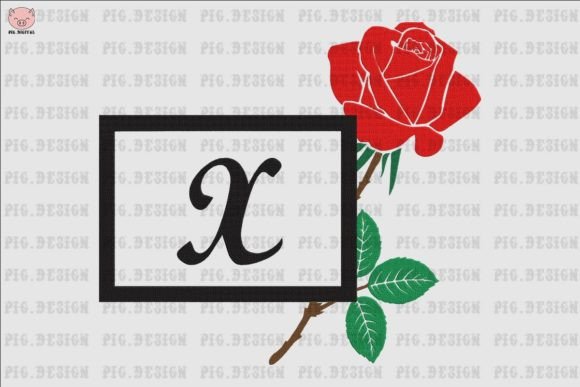
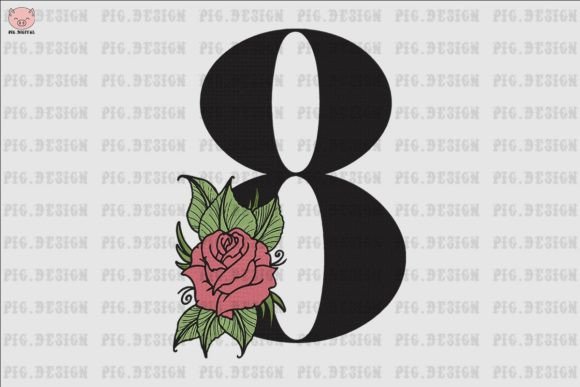
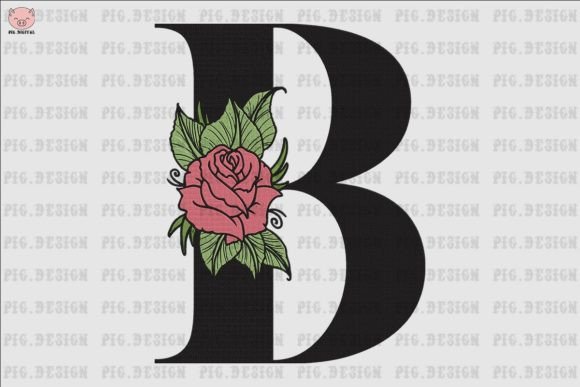
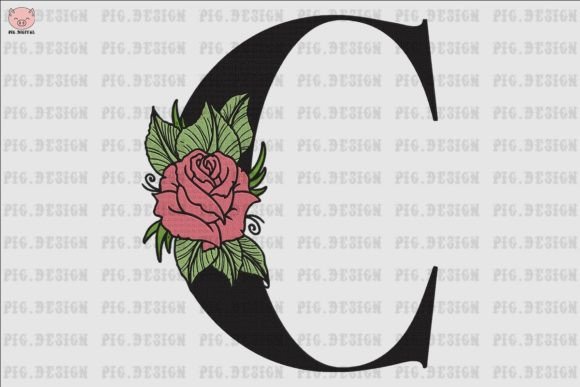
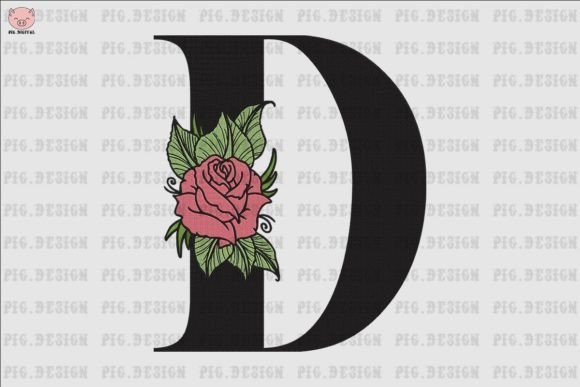
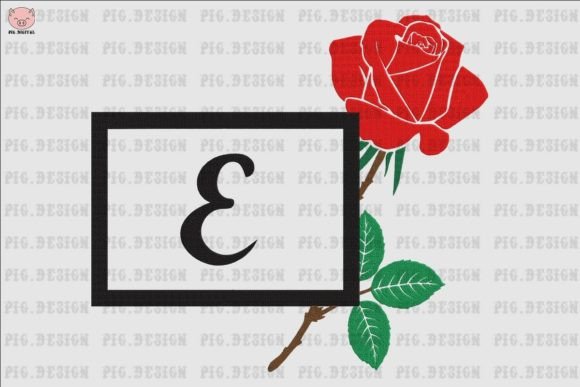
The immediate appeal of Rose Font E lies in its hybrid nature. It balances the structural clarity of a font with the organic, flowing aesthetics implied by the "Rose" descriptor. In a professional context, this duality is powerful. For a florist, a bakery, or a boutique clothing label, the design feels both elegant and approachable. It does not scream "corporate stiff," nor does it feel overly childish despite the seasonal categorization. Instead, it offers a handmade, premium vibe that aligns well with current trends in artisanal commerce.
When I visualize this embroidery file on a mockup, it suggests versatility. It is decorative enough to serve as a standalone statement on a tote bag but refined enough to act as a subtle accent on a staff uniform. For businesses aiming to project warmth and creativity, Rose Font E hits the right emotional notes. However, designers must ensure that the "rose" elements do not compromise legibility, especially when the design is scaled down for smaller applications.
Real-World Applications for Small Business Merchandise
The true test of any digital embroidery file is its application across various substrates. Here is how Rose Font E performs in specific commercial scenarios:
- Embroidered Patches: This is perhaps the strongest use case. An embroidered patch featuring Rose Font E can be ironed or sewn onto denim jackets, canvas bags, or laptop sleeves. The font style allows for clear branding even when isolated on a patch background. It serves as an excellent tool for creating limited-edition merchandise drops.
- Custom Apparel and Uniforms: For cafés and creative studios, staff identity is crucial. Placing Rose Font E on the chest pocket of an apron or the sleeve of a work shirt adds a layer of professionalism. It transforms a standard uniform into a branded asset. The design works particularly well for apron embroidery, where the visual weight of the text can balance the large fabric surface area.
- Cap Embroidery: Front-panel cap designs require precision. Rose Font E can work here, but it requires careful scaling. The curvature of a cap distorts text, so the design must be tested to ensure the letters remain distinct and do not bunch up. If the font includes intricate rose details, these may need simplification to maintain clarity on the curved surface.
- Tote Bag Design: Canvas totes are a staple for retail packaging and customer gifts. The robust nature of canvas fabric supports the stitch density of most machine embroidery designs. Rose Font E centered on a tote bag creates a high-perceived-value item that customers are likely to reuse, extending brand visibility beyond the point of sale.
Navigating Technical Challenges and Fabric Constraints
While the aesthetic potential is high, practical execution requires attention to detail. Not all fabrics behave the same way, and Rose Font E must be adapted to the material. Here are critical considerations for production:
- Stitch Density and Texture: Decorative fonts often carry higher stitch density to achieve smooth curves and filled areas. On lightweight or textured fabrics, this can cause puckering. I recommend using a cut-away stabilizer for garments that will undergo frequent washing, such as t-shirts or uniforms. For stable fabrics like denim or canvas, a tear-away stabilizer may suffice, but testing is non-negotiable.
- Small Scale Legibility: If you intend to use this design for tiny labels or small chest logos, verify the minimum size. Intricate serifs or floral connections in the font may merge into a blob if stitched too small. Always run a test stitch-out at 50% and 75% scale to check for clarity.
- Thread Color Contrast: The success of Rose Font E depends heavily on contrast. On dark uniforms, use bright or metallic threads to make the design pop. On light home decor items, tonal stitching (e.g., cream thread on white linen) can create a sophisticated, subtle texture. Avoid low-contrast combinations that render the text unreadable from a distance.
- Hoop Size Limitations: Ensure the design fits within your standard hoop size without requiring excessive re-hooping, which can lead to alignment errors. If the design is large, consider breaking it into sections only if the software allows for seamless joining, though single-hoop execution is always preferred for professional finish.
Enhancing Brand Identity and Customer Trust
In the world of commercial embroidery, consistency builds trust. Rose Font E can become a recognizable element of your brand identity if used consistently across touchpoints. Imagine a customer receiving a package with a tissue paper seal, a thank-you card, and a product tag all featuring the same embroidered aesthetic. Even if the tag is printed, the visual language established by the embroidered finished product reinforces the brand’s commitment to quality.
For Etsy sellers and crafters, offering items with Rose Font E distinguishes your shop from mass-produced competitors. It signals that care was taken in the creation process. This perceived value allows for higher pricing margins. Furthermore, when used on customer gifts or event merch, it fosters a sense of community and belonging. A well-executed embroidered logo on a tote bag is not just a container; it is a badge of affiliation with your brand’s values.
Practical Designer Notes for Production
Before launching Rose Font E into your product line, follow these steps to ensure quality control:
- Test in Black and White: Before selecting fancy thread colors, stitch the design in black thread on white fabric. This reveals any issues with spacing, density, or legibility without the distraction of color.
- Create a Printable Mockup: Use digital tools to place the design on various product images. This helps clients visualize the printable mockup before you commit to physical production, saving time and materials.
- Verify Commercial Licensing: The product description mentions it is suitable for decorating projects, but always confirm the license terms. Ensure you have the right to use the design assets for goods intended for sale. Never assume; always read the fine print provided with the embroidery file.
- Check File Formats: The description notes "multiple embroi" formats, which likely refers to multiple embroidery file types (such as PES, DST, JEF). Confirm that the format you receive is compatible with your specific machine model to avoid conversion errors that can distort stitch paths.
In conclusion, Rose Font E is a versatile asset for the modern embroidery business. It bridges the gap between decorative flair and professional branding. Whether applied to cap embroidery, boutique apparel, or home decor, it offers a pathway to creating high-value, memorable merchandise. By respecting the technical constraints of fabric and stitch density, and by leveraging its aesthetic strengths, small business owners can turn this design into a cornerstone of their visual identity. Remember, the difference between a good product and a great brand often lies in the details—and in embroidery, those details are stitched one thread at a time.