Books Line: A Designer’s Review for Handmade Projects
As an embroidery designer who spends countless hours digitizing and testing patterns, I am always on the lookout for designs that balance aesthetic charm with technical reliability. When I recently browsed the Creative Fabrica embroidery library, the Books Line design caught my eye. It is not just another generic icon; it is a thoughtful piece that speaks directly to the heart of the reading community. For those of us creating handmade products for Etsy sellers, small business owners, and creative entrepreneurs, finding a design that resonates with a specific niche while remaining versatile is gold. This review explores whether Books Line is worth adding to your digital asset library for real-world commercial use.
First Impressions and Visual Mood
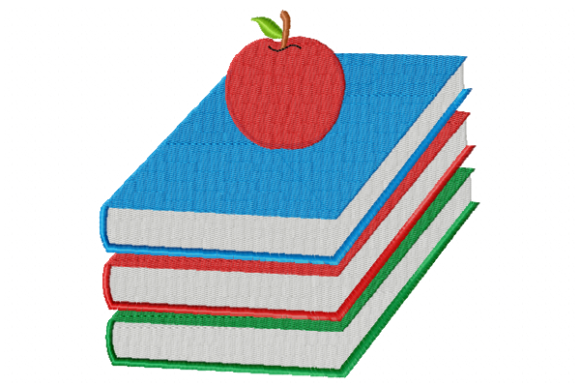
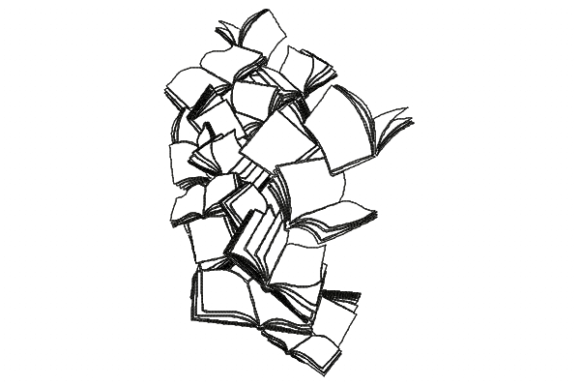
The immediate appeal of Books Line lies in its clean, minimalist aesthetic. In a market often saturated with overly complex or cluttered motifs, this design offers a refreshing simplicity. The line work suggests a modern, literary vibe that fits perfectly within the Back To School season, yet its timeless nature makes it suitable for year-round sales. The visual mood is cozy and intellectual, evoking images of quiet afternoons with a good novel. For a designer, this clarity is crucial. It means the stitching personality is likely to be straightforward, reducing the risk of thread breaks or nesting issues during production. The decorative appeal is subtle, making it an excellent candidate for items where you want the embroidery to complement the fabric rather than overwhelm it.
Real-World Application for Custom Apparel and Home Decor
When considering a new machine embroidery design, I always ask myself: "Where will this look best?" Books Line is incredibly versatile. Its linear style makes it ideal for custom apparel, particularly on sweatshirts and tote bags. Imagine a canvas tote bag with this design stitched in a contrasting thread color; it instantly transforms a basic accessory into a statement piece for book lovers. For sweatshirt embroidery, the design sits beautifully on the chest pocket area or centered on the back, offering a boutique merchandise feel without requiring excessive stitch time.
Beyond apparel, this design shines in home decor applications. The product description suggests using it on a reading pillow, and I agree wholeheartedly. A linen pillow cover featuring Books Line creates an inviting nook for readers. It also works wonderfully on kitchen towels, adding a touch of personality to a practical item. For nursery decor, it can be adapted for a child’s room, perhaps paired with other educational motifs to create a cohesive theme. As a personalized gift, it allows for easy customization. You could add a name below the books using a complementary font, turning a standard embroidery file into a unique keepsake for teachers, librarians, or avid readers.
Technical Performance and Stitching Considerations
From a technical standpoint, line-style designs require careful attention to detail. While Books Line appears simple, the execution matters. Since the design relies on linear elements, it likely utilizes a combination of running stitch and satin stitch. When working with such designs, stitch density is a critical factor. If the density is too low, the fabric may show through, breaking the visual continuity of the lines. If it is too high, the fabric might pucker, especially on lighter materials like cotton voile or lightweight linen.
I recommend testing the design on scrap fabric before committing to a final product. Pay close attention to how the threads lay on textured fabrics versus smooth ones. On textured towels, the lines might get lost if the thread color does not provide enough contrast. Conversely, on dark fabric, you must ensure the thread colors pop. Using a high-quality rayon or polyester thread can enhance the sheen and definition of the lines. Additionally, because this is a line-based design, stabilization is key. A cut-away stabilizer is often safer for garments that will undergo frequent washing, ensuring the design retains its shape and does not distort over time.
Hoop size is another practical consideration. While the design seems compact, always confirm the specific hoop size requirements listed in the Creative Fabrica product details. If you are planning to use it on curved surfaces, such as caps, the linear nature of the design can be forgiving, but you must ensure proper hooping technique to prevent shifting. For an embroidered patch, this design would look crisp and professional, provided the edges are finished cleanly with a merrowed border or a tight satin stitch edge.
Enhancing Product Value and Brand Consistency
For handmade shop owners and digital product sellers, the choice of design assets directly impacts brand consistency. Books Line offers a sophisticated look that can elevate the perceived value of your finished product. It does not scream "cheap souvenir"; instead, it whispers "curated lifestyle." This subtlety helps build buyer trust. Customers are more likely to engage with products that look thoughtfully designed and professionally executed. When you use a clean, well-digitized design, your product photography becomes easier. The clear lines photograph well, allowing for sharp, attractive listings on platforms like Etsy.
Moreover, this design supports the creation of printable mockups. Before stitching a single thread, you can visualize how Books Line looks on various items. This step is invaluable for planning your inventory and marketing strategy. By showcasing the design on a variety of items—such as aprons, baby blankets, and pillow covers—you can appeal to a broader audience. The giftability factor is high, especially during the holiday season or graduation periods. A well-executed embroidery project using this design can become a cherished item, leading to positive reviews and repeat customers.
Practical Notes for Commercial Embroidery Use
If you are integrating Books Line into your commercial embroidery workflow, there are several best practices to follow. First, always check the file details and licensing terms on the product page. Understanding whether the license allows for unlimited physical sales is crucial for scaling your business. Second, inspect the small details after stitching. Linear designs can sometimes have loose ends or jumps that need trimming. A clean finish is what separates amateur work from professional-grade handmade products.
Thread color contrast is vital for this type of design. Since it lacks large fill areas, the color choice defines the visibility. Experiment with monochromatic schemes for a subtle, elegant look, or bold contrasts for a modern graphic effect. Finally, consider the end-use of the product. If it is a tote bag that will carry heavy books, ensure the stitching is secure and the fabric is durable. For baby items, use soft threads and ensure all backing materials are trimmed safely away from the skin.
In conclusion, Books Line is a strong contender for designers looking to expand their Back To School or literary-themed collections. It offers a blend of aesthetic appeal and practical versatility that suits a wide range of applications. By paying attention to technical details like stabilizer choice, thread contrast, and hoop size, you can maximize the potential of this design. Whether you are creating custom apparel, home decor, or personalized gifts, this digital embroidery file provides a solid foundation for high-quality, commercially viable products. Always remember to verify the specific file formats and compatibility with your machine before downloading, ensuring a smooth workflow from design to finished product.