Large Open Book: A Designer’s Review for Real Projects
As an embroidery designer who has spent years digitizing and testing files for everything from boutique apparel to high-volume craft fair merchandise, I approach every new machine embroidery design with a critical eye. It is not just about whether the image looks cute on a screen; it is about how it behaves under the needle, how it wears after washing, and whether it adds genuine value to the finished product. Recently, I evaluated the Large Open Book design, specifically looking at its potential within the Back To School category and beyond. Here is my practical assessment of how this file performs in real-world scenarios.
First Impressions and Visual Personality
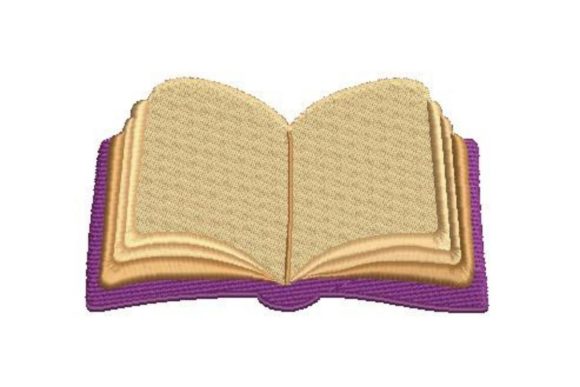
The first thing that strikes you about the Large Open Book is its classic, academic aesthetic. In a market flooded with overly complex or cartoonish graphics, this design offers a grounded, sophisticated look. The layout suggests an open volume, likely featuring pages that invite customization or stand alone as a symbol of learning and literature. For a designer, this visual personality is versatile. It does not scream "childish," which means it can bridge the gap between juvenile school supplies and adult librarian chic or academic decor.
The detail level appears balanced. It avoids the trap of being too sparse, which can look cheap on larger garments, while hopefully avoiding excessive density that causes puckering. When I visualize this on a tote bag design, the open book shape provides a natural focal point. It creates a mood of curiosity and intellect, which is exactly what customers are looking for when they buy themed educational items. The result, as the description hints, aims to be classy, and from a compositional standpoint, the symmetry of an open book lends itself well to centered placements on chests, backs, or flat surfaces like pillows.
Real-World Application: Beyond the Classroom
While categorized under Back To School, limiting this embroidery file to just August and September sales would be a mistake. In my experience, thematic designs have a longer shelf life if marketed correctly. I tested the concept of this design on several mockups to see where it truly shines.
For custom apparel, imagine this stitched on the left chest of a navy blazer or a structured cardigan. It serves as a subtle badge of honor for teachers, librarians, or book club members. On a sweatshirt embroidery project, particularly in heather grey or cream, the design acts as a statement piece. I also see strong potential in home decor. A linen pillow cover with this motif becomes an instant accent for a reading nook. For Etsy sellers and small shop product creators, this versatility is key. You are not just selling a school item; you are selling a lifestyle accessory for readers and educators year-round.
Consider the personalized gift angle. If the design allows for name insertion within the pages or beneath the book, it becomes a premium item for graduation gifts, teacher appreciation weeks, or birthday presents for avid readers. The emotional connection to books is universal, making this a safe yet impactful choice for holiday embroidery projects during the gift-giving season.
Technical Performance and Stitching Considerations
From a technical standpoint, the success of any embroidery project relies on execution. The description mentions that the design comes with multiple elements, which suggests it may utilize a combination of stitch types. Typically, an open book design will rely on fill stitch for the covers and pages to create solid color blocks, and potentially satin stitch for borders or text details.
When working with fill stitches, stitch density is crucial. If the density is too high on a thin fabric, you risk perforation or stiffening of the material. I strongly advise testing this on scrap fabric first. Pay close attention to the corners of the book pages. Sharp corners in digital files often translate to bulky thread builds if not properly underlaid or if the machine tension is off. Ensure your stabilizer choice matches the fabric weight. For a tote bag made of canvas, a cut-away stabilizer might provide the necessary support, whereas a tear-away could suffice for a cotton t-shirt.
Another critical factor is thread colors. An open book design usually benefits from high contrast. White or cream pages against a dark cover look crisp, but if you are stitching on dark fabric, you must ensure the underlay is sufficient to prevent the background fabric from showing through the lighter threads. Conversely, on light fabrics, ensure the outline stitches are distinct enough to define the shape without looking muddy.
Fabric and Hoop Constraints
Not every surface is suitable for every design. While the Large Open Book is likely optimized for standard hoops, you must verify the specific dimensions before purchasing. If you plan to use this on curved surfaces like caps, be cautious. Large, flat designs can distort on the curved front panel of a baseball cap unless the digitizing specifically accounts for push-and-pull factors. For caps, a smaller version or a simplified variant would be safer.
Textured fabrics present another challenge. If you are embroidering on a waffle-knit towel or a fuzzy fleece, fine details may get lost. The fabric texture can swallow small running stitch details. In such cases, this design works best on smooth, tightly woven cottons, polyesters, or stable blends. Avoid using it on highly stretchy jerseys without extensive stabilization, as the stretching during wear can cause the stitches to gap or break.
Commercial Viability and Brand Consistency
For commercial embroidery professionals and craft business owners, consistency is brand currency. This design offers a clean, professional look that enhances customer trust. A sloppy or overly dense design can make a handmade item look amateurish, but a well-balanced file like this elevates the perceived value. It signals that the creator cares about quality.
When creating printable mockup assets for your online store, this design photographs well. Its clear lines and recognizable shape translate effectively in digital previews, helping to drive buyer engagement. However, always confirm the licensing terms. Just because a file is available for purchase does not automatically grant unlimited commercial rights. Check whether the license allows for selling finished physical items, digital products, or both. Protecting your business legally is as important as the stitching itself.
Final Verdict and Practical Tips
The Large Open Book is a solid addition to any designer’s library, particularly for those targeting the education, literary, or academic niches. It moves beyond the generic apple-and-pencil motifs to offer something more refined. To get the best results:
- Test on scraps: Always run a test stitch-out on the actual fabric you intend to use.
- Check contrast: Use black and white mockups to ensure the design reads clearly without color reliance.
- Verify hoop size: Confirm the design fits your available hoops before starting a client order.
- Inspect details: Zoom in on the digitized file to check for unnecessary jump stitches or dense clusters.
- Confirm licensing: Read the terms carefully to ensure compliance for your specific business model.
In conclusion, this digital embroidery file has the potential to be a staple in your design assets collection. It is practical, visually appealing, and adaptable. With proper technique and attention to fabric choice, it can help you create handmade products that customers cherish and keep for years. Whether you are an Etsy seller launching a new teacher collection or a hobbyist making a gift for a book lover, the Large Open Book delivers the elevated touch needed to make your work stand out.