Reviewing Numbers 0 to 9 for Craft Fair Success
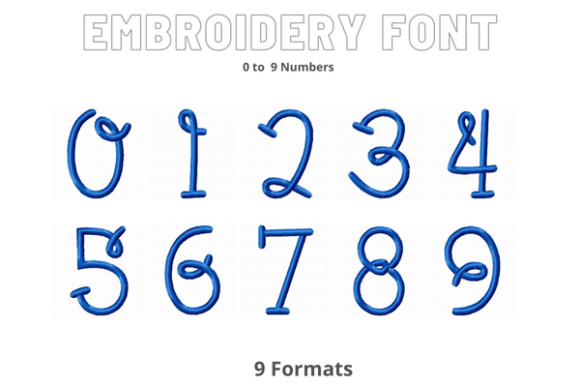
As an embroidery designer who has spent countless hours hunched over a hoop and even more time standing behind a craft fair table, I look at every new machine embroidery design through a specific lens. It is not just about whether the stitches are clean; it is about whether the design will stop a customer in their tracks. Recently, I evaluated the Numbers 0 to 9 collection with this exact mindset. This is a high-quality embroidery font that promises versatility, allowing you to write on any fabric you wish. For those of us running small shops or preparing for the busy Back To School season, having a reliable numeric set is not just a luxury; it is a necessity.
First Impressions: Versatility Meets Function
When I first loaded the embroidery file into my software, my immediate impression was one of functional elegance. The numbers do not scream for attention with excessive flourishes, nor are they so stark that they feel industrial. Instead, they strike a balance that feels modern yet approachable. This aesthetic is crucial for a craft fair product because it needs to appeal to a wide demographic. Whether a customer is looking for a cute gift for a child’s birthday or a sophisticated monogram for a home goods item, these digits provide a neutral but stylish foundation.
The description states that this is a high-quality font designed to help personalize your designs. In practice, this means the lines are clean, and the spacing appears consistent. For an Etsy seller or boutique maker, consistency is key. You want your finished product to look professional, not like a hobbyist experiment. The visual appeal here lies in its clarity. At a glance, the numbers are instantly recognizable, which is vital when customers are scanning a busy booth display.
Product Applications: Where These Numbers Shine
The true test of any digital embroidery file is how it translates to physical goods. I imagined setting up my weekend booth with a variety of items to see where Numbers 0 to 9 would perform best. Here is how I envision these digits working across different categories:
- Tote Bag Design: Large, bold numbers on canvas totes are incredibly popular. Imagine a tote with a birth year or a lucky number stitched prominently. The sturdy fabric of a tote bag handles the stitch weight well, making the design pop.
- Apron Embroidery: Personalized aprons are a staple in handmade kitchens. Stitching a house number or a significant date on the bib adds a custom touch that elevates a simple handmade product into a cherished gift.
- Tea Towel Embroidery: Kitchen linens are impulse buys at fairs. A set of towels with embroidered dates or measurements using this font could be a hit. However, one must be mindful of the fabric texture; terry cloth requires different handling than flat weave cotton.
- Embroidered Patch: Patches are low-risk, high-reward items. Using these numbers to create varsity-style patches or age badges for backpacks allows for batch production. They are easy to make in bulk and sell as add-ons.
- Caps and Headwear: Curved surfaces are tricky. If the design is too wide, it may distort on a cap front. I would recommend testing the smaller sizes of this font on structured caps to ensure the curvature does not compromise readability.
For commercial embroidery purposes, the ability to use these numbers on any fabric suggests a robust digitizing job. However, the "any fabric" claim should always be taken with a grain of salt. While the design may be versatile, the material choice dictates the final outcome.
Production Realities and Practical Selling Points
From a production standpoint, efficiency is everything. When I am preparing for a market, I need designs that are repeatable. The Numbers 0 to 9 set seems ideal for this. Because numbers are universal, I can pre-stitch a variety of common combinations—birth years, anniversary dates, or house numbers—without waiting for a custom order. This reduces lead time and increases inventory depth.
Photography is another critical factor. Does the design photograph well for online listings? Clean, distinct stitches tend to look excellent in photos, especially when contrasted against solid-colored fabrics. A printable mockup can help visualize this, but nothing beats a real photo of the stitched item. The simplicity of these numbers means they will not get lost in poor lighting or busy backgrounds, making them easier to market on social media and Etsy.
However, there are careful-use notes to consider. Any experienced embroiderer knows that stitch density can make or break a design. If the numbers are too dense, they can pucker lightweight fabrics. If they are too sparse, they may look cheap on heavy denim. I strongly advise checking the specific stitch count and density settings in your software before running a full batch. Additionally, tiny details can get lost if the design is scaled down too far. For small items like pouches, ensure the numbers remain legible.
Designer Notes: Testing and Technical Considerations
Before you commit to selling these as part of your small shop product line, you must do your due diligence. Here is my checklist for integrating Numbers 0 to 9 into your workflow:
- Test on Scrap Fabric: Never skip this step. Run the design on the exact fabric you plan to sell. Check for puckering, thread breaks, or registration issues.
- Check Thread Contrast: These numbers rely on shape for recognition. Ensure your thread color contrasts sufficiently with the fabric. Dark threads on dark fabrics will render the design invisible.
- Review Spacing and Hoop Size: Confirm that the design fits within your standard hoop size. If you are stitching multiple numbers in a row, ensure there is enough space between them to prevent overlapping stitches.
- Use the Right Stabilizer: The description mentions machine embroidery on any fabric, but the stabilizer is the unsung hero. Use cut-away stabilizer for stretchy fabrics and tear-away for stable wovens to maintain the integrity of the numbers.
- Confirm Commercial Licensing: The product description implies personalization capabilities, but always verify the license terms. Ensure you have the right to sell finished products made with this design assets package.
It is also important to note that the provided description cuts off at "This machine embroider." This suggests that specific technical details like exact file formats (PES, DST, JEF, etc.) or specific hoop compatibility might be listed elsewhere in the full product listing. As a professional, I advise readers to check those details before production. You do not want to purchase a file only to find it is not compatible with your machine’s native format.
Enhancing Brand Consistency and Buyer Engagement
Ultimately, the value of Numbers 0 to 9 lies in how it enhances your brand. A cohesive look across your booth samples builds trust. If your tote bags, pillows, and patches all feature the same clean, high-quality numeric font, customers perceive your brand as professional and deliberate. This consistency drives buyer engagement. Customers are more likely to purchase when they feel confident in the quality of the craftsmanship.
In the context of Back To School, these numbers are invaluable. Think of personalized pencil cases, lunch bags, or locker decorations. The demand for customized school gear is high, and having a reliable, attractive number font allows you to meet that demand quickly. It transforms a generic item into a personalized keepsake.
In conclusion, Numbers 0 to 9 is a strong contender for any embroidery business owner’s library. It offers the flexibility needed for diverse products, from tea towel embroidery to complex apron embroidery projects. By paying attention to stitch density, fabric choice, and proper stabilization, you can leverage this design to create high-value, eye-catching products that stand out in both physical craft fairs and digital marketplaces. Remember, the best design is not just the one that looks good on screen, but the one that sells consistently in the real world.