Reviewing Arial Narrow Font PQR for Apparel
As an embroidery designer who spends countless hours digitizing and testing fonts for boutique collections, I am always on the lookout for typefaces that bridge the gap between professional polish and wearable comfort. When I recently explored the Creative Fabrica embroidery library for my upcoming autumn line, Arial Narrow Font PQR caught my eye. It promised a sleek, modern aesthetic that is often difficult to achieve with standard machine embroidery fonts. For those of us running small clothing brands or Etsy shops, finding the right typography is half the battle in creating a cohesive brand identity.
First Impressions: Visual Personality and Stitching Mood
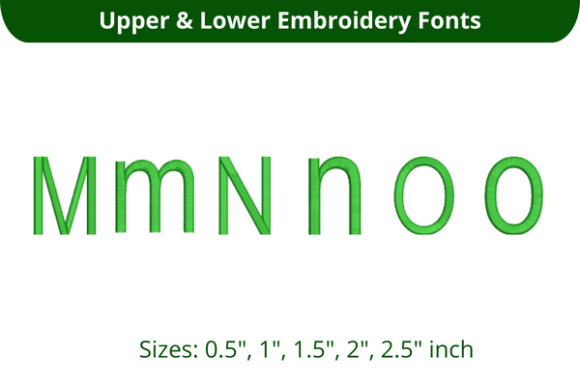
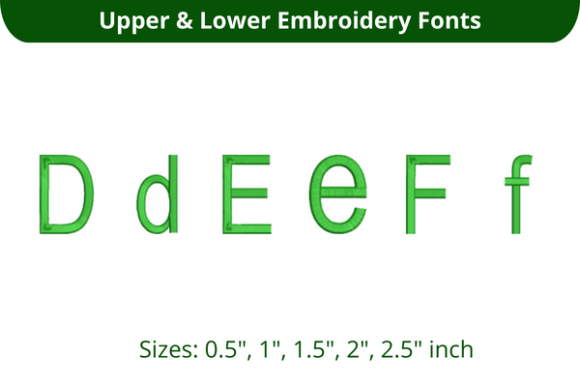
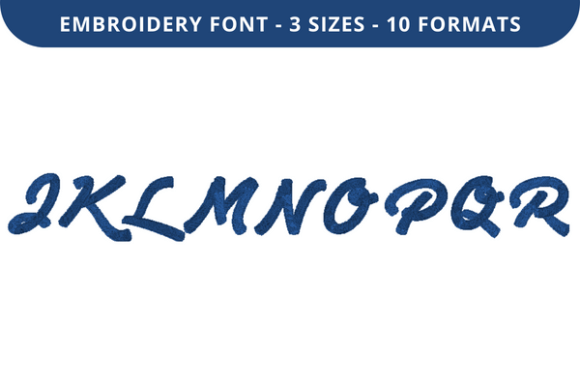
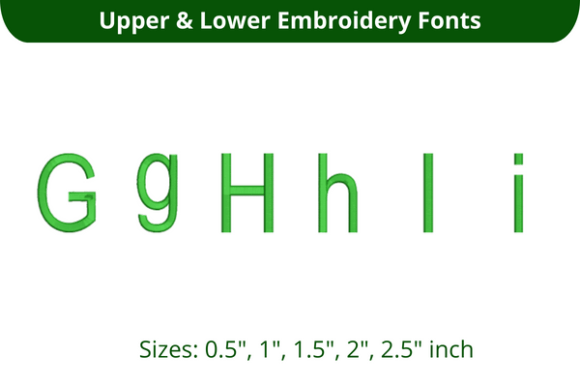
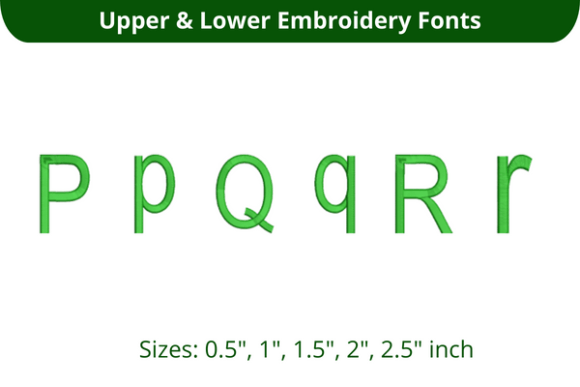
The first thing you notice about Arial Narrow Font PQR is its streamlined silhouette. Unlike bulky serif fonts or overly decorative scripts, this design offers a clean, minimal look. In the context of machine embroidery design, "narrow" is a significant advantage. It allows for longer words or phrases to fit into compact spaces without reducing the legibility of individual letters. The visual personality is decidedly modern and versatile. It does not scream "cute" or "rustic"; instead, it feels premium and contemporary.
When I loaded the embroidery file into my software to inspect the stitch path, I appreciated the logical flow. The stitching mood is efficient. For a designer, this means less thread waste and faster production times, which is crucial when fulfilling orders for a small shop product. The detail level is high enough to maintain the sharp edges characteristic of the Arial style, yet it avoids excessive density that could cause puckering on lighter fabrics. This balance makes it an excellent candidate for both casual and elevated custom apparel.
Applying the Font to Sweatshirts and Hoodies
My primary goal was to integrate this font into a new collection of neutral sweatshirts and pastel hoodies. Sweatshirt embroidery requires a font that can stand up to the texture of fleece or French terry without getting lost. Arial Narrow Font PQR performs exceptionally well here. On a charcoal grey oversized hoodie, I tested a simple chest placement with a name in white thread. The contrast was striking, and the narrow width allowed the name to sit perfectly centered without overwhelming the garment.
For hoodie design enthusiasts, sleeve accents are a trending option. Because this font is slender, it works beautifully for vertical text running down the sleeve or small dates embroidered near the cuff. I also experimented with back designs. Using a larger hoop size, I stitched a short quote across the upper back of a cream-colored sweatshirt. The clean lines of the font ensured that the message remained readable from a distance, adding a layer of sophistication to what is typically a casual garment.
However, working with fleece requires attention to stabilizer choice. I recommend using a cut-away stabilizer to support the weight of the stitches and prevent the fabric from stretching out of shape over time. Always test on scrap fabric first, especially if you are using a heavy-weight fleece, to ensure the stitch density does not cause the material to pucker.
Versatility Across T-Shirts, Totes, and Denim
Beyond cozy winter wear, I wanted to see how this font translated to lighter materials. On cotton t-shirts, the font maintains its crispness. For a Back To School themed capsule, I used Arial Narrow Font PQR to personalize denim jackets and canvas tote bags. The durability of the design holds up well against the rougher texture of denim and the weave of canvas.
For tote bag design, the narrow profile allows for multi-line quotes that look balanced and intentional. Whether you are creating a handmade product for a local market or listing items as an Etsy seller, the consistency of this font helps in creating a recognizable style. It pairs well with minimalist graphics or stands alone as a typographic statement. The key is managing the thread colors. On dark garments, I found that metallic or high-contrast rayon threads enhanced the premium feel, while matte polyester threads offered a more subdued, everyday look.
Strategic Placement and Fabric Considerations
While Arial Narrow Font PQR is versatile, there are areas where caution is needed. Embroidery on stretchy fabric, such as ribbed cuffs or necklines, requires careful hooping. I advise against placing large instances of this font directly on highly elastic areas unless you have extensive experience with stabilizing those zones. The narrow letters can distort if the fabric stretches significantly after stitching.
Additionally, when working with tiny lettering, ensure your machine is well-maintained and your needle is sharp. Fine details in narrow fonts can sometimes merge if the tension is too loose or if the fabric texture is too fuzzy. For curved surfaces, like the chest of a fitted tee, use a floating method or appropriate hooping techniques to keep the fabric grain straight. This ensures that the final finished product looks professional and not warped.
Enhancing Brand Identity and Commercial Value
From a business perspective, typography is a cornerstone of brand identity. Using a consistent, high-quality font like Arial Narrow Font PQR across your boutique brand merchandise creates visual consistency. Customers begin to recognize your style, which builds trust and encourages repeat purchases. When you present your items in lifestyle product photos or create printable mockups for your online store, the clean lines of this font photograph beautifully. It looks expensive, which allows you to position your commercial embroidery products at a higher price point.
For digital sellers and creative entrepreneurs, this font can also be used in social media graphics to promote your physical goods. The alignment between your digital marketing and your physical custom apparel strengthens your overall market presence. It signals to buyers that you pay attention to details, from the stitch count to the final presentation.
Practical Notes for the Embroidery Designer
Before launching any production run with Arial Narrow Font PQR, there are several practical steps every designer should take. First, always confirm the specific file formats included in the digital embroidery file package to ensure compatibility with your machine. While the product description notes it is a high-quality design for personalizing various fabrics, it is essential to check the license terms on Creative Fabrica before selling finished apparel. Most licenses allow for physical sales, but verifying this protects your business.
Second, review the recommended hoop size for different letter heights. If you plan to do large back prints, ensure your machine can accommodate the necessary hoop. Third, experiment with underlay stitches if your software allows adjustments. Proper underlay can significantly improve the appearance of narrow fonts on textured fabrics like fleece or toweling.
Finally, compare placement options on actual garments. What looks good on a flat mockup might sit differently on a three-dimensional body. Test on similar garment fabric to gauge how the fabric texture interacts with the stitches. By taking these precautions, you ensure that every piece you produce meets the high standards expected by today’s discerning customers.
In conclusion, Arial Narrow Font PQR is a valuable addition to any embroidery designer’s library. Its blend of modern aesthetics, practical usability, and versatility across different apparel types makes it a standout choice for creating professional, boutique-quality items. Whether you are designing for Back To School collections or year-round basics, this font offers the reliability and style needed to elevate your Embroidery projects.